

Nature has its own unique way of being beautiful. From snow-capped mountains to lush green forests, beauty is to be found in some wonderful places. But the most striking and memorable part of nature for us as human beings has been Flowers. In this article, we will discuss about the top 10 most beautiful flowers in the world.
Flowers have been part of human civilization for a long time. The depiction and meaning of each flower have been different throughout our collective history. From celebratory flowers to funeral flowers, flowers are put to all sorts of uses.
Top 10 Most Beautiful Flowers in the World
With a variety of uses, Flowers come in all shapes and sizes. It would be wrong to say that one flower is prettier than others; however, there are certain exceptionally beautiful flowers. If you want to know more about such beautiful flowers, then you are in the right place. Below are the 10 most beautiful flowers in the world.
1. Cherry Blossom
Cherry Blossoms are renowned throughout the world for their unmatched beauty. Cherry blossoms are a popular symbol of spring. These flowers are typically pink or white in color. Generally, they bloom every year for around 2-3 weeks. This period is observed around march end or the first week of April.

Japan and South Korea are well known for their Cherry blossom springs. In fact, Japanese culture has a special place for Cherry Blossom. The Blooming of these flowers is thought to be about life and its beginning. People often spend a good amount of time under cherry trees, having fun or bonding with each other. This makes the cherry blossom one of the most beautiful flowers in the world.
Top 10 Cherry Blossoms
- Prunus serrulata ‘Somei Yoshino’
- Prunus serrulata ‘Kanzan’
- Prunus serrulata ‘Kwanzan’
- Prunus serrulata ‘Yaezakura’
- Prunus serrulata ‘Shirofugen’
- Prunus serrulata ‘Ichiyo’
- Prunus serrulata ‘Akebono’
- Prunus serrulata ‘Okame’
- Prunus serrulata ‘Ukon’
- Prunus serrulata ‘Taihaku’
Cherry Blossom Forecast 2026
| City/Region | First Bloom | Full Bloom / Peak Viewing |
|---|---|---|
| Tokyo | March 20–25 | March 31–April 3 |
| Kyoto | March 26–31 | April 4–10 |
| Osaka | March 26–31 | March 28–April 4 |
| Nagoya | March 21–25 | March 26–April 1 |
| Fukuoka | March 21–25 | March 31–April 3 |
| Sendai | Early April | April 9–16 |
| Sapporo (Hokkaido) | Late April | April 28–May 2 |
2. Carnation
What makes Carnation one of the most beautiful flowers in the world? It is one of the most commonly used and popular flowers in the world for a reason you see. Carnations, while thought to be native to the Mediterranean, are now expressly grown in almost every continent. This makes them easy to gather and thus readily available.

Another reason is its historical beauty. Carnations have been appreciated by humans for quite some time. Greeks depicted it as a flower used during coronation ceremonies. Usually presented in red, Carnation is available in a variety of colors. From red, purple, blue to pink, it is one of the best ornamental flowers. These things make it one of the most beautiful flowers in the world
Carnation Types
| Type | Description | Common Uses |
| Standard | Single large bloom on tall stem | Cut flowers, large-scale production |
| Spray | Multiple smaller blooms per stem | Bouquets, arrangements |
| Miniature | Short stems, high yield | Pot plants, ornamental |
Color Meanings
| Color | Symbolism |
| Red | Love, admiration, mother’s love |
| Pink | Gratitude, affection |
| White | Purity, good luck, remembrance |
| Purple | Instability or fancifulness (darker shades negative) |
| Orange | Enthusiasm, success |
| Green | Luck, renewal |
Cultivation Timeline
| Stage | Timing After Planting | Notes |
| Pinching | 2-3 weeks | Remove main stem tip for side shoots |
| First Bloom | 110-150 days | Harvest at paintbrush stage |
| Peak Production | 4-18 months | Up to 15-20 flowers/plant/year |
| Full Crop Cycle | 1.5-2 years | Continuous under greenhouse |
3. Dahlia
There is something very beautiful, delicate, and strange about dahlia all at the same time. It is, without a doubt, among the top 10 most beautiful flowers in the world. Dahlia comes in all colors, shapes, and sizes.
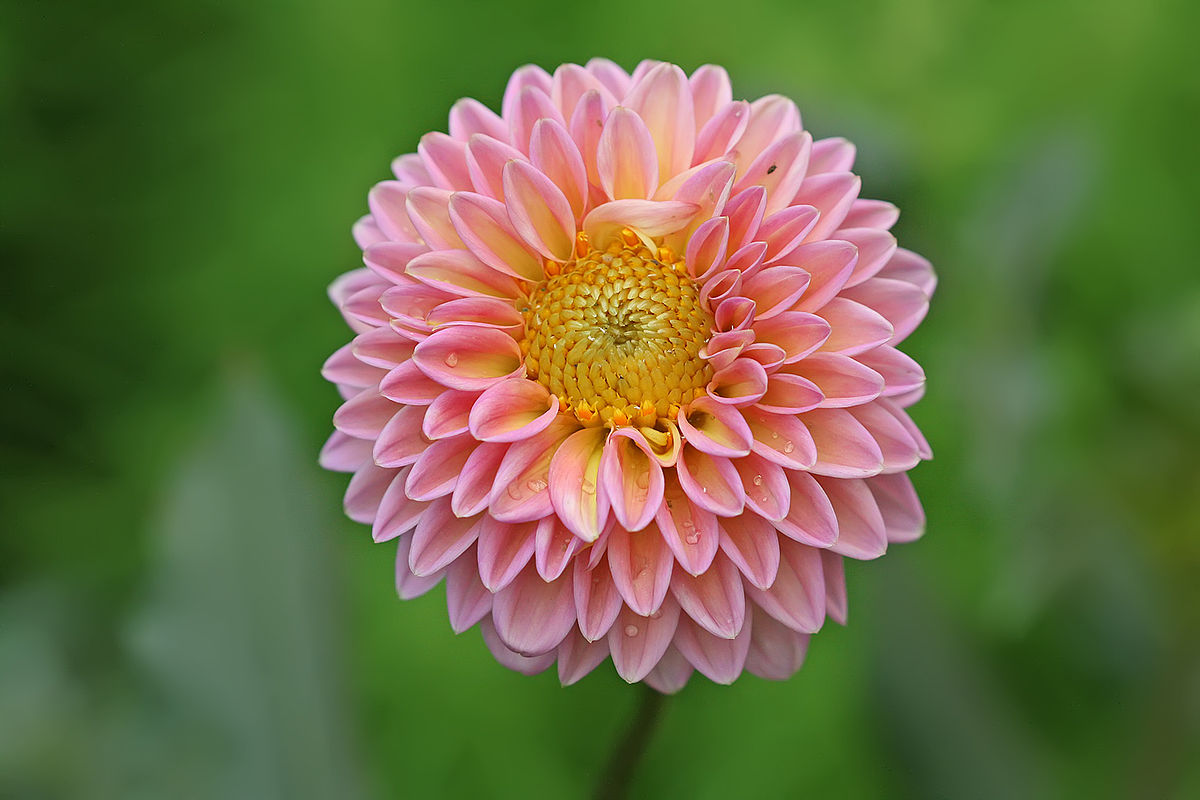
It is a flower that can be as small as a couple of inches and as big as more than 1 foot. These perineal plant flowers are found in 42 varieties, predominantly in Central America. Often dahlia can be seen growing in gardens and open spaces. They bloom during summer. Dahlia is quite significant to Mexico as they are its national flower.
Dahlia Types by Form
| Type | Description | Bloom Size |
| Ball | Globe-shaped, tight petals | 4-5 inches |
| Pompon | Small, round, button-like | Up to 2 inches |
| Dinnerplate | Large, flat, showy | 8-12+ inches |
| Cactus | Pointed, spiky petals | Varies |
| Decorative | Full, layered ray florets | Medium-large |
Bloom Season by USDA Zone
| Zones | Peak Bloom Period | Growth Habit |
| 2a-7b | July–October | Annual |
| 8a-11b | July–October | Perennial |
Cultivation Timeline
| Stage | Timing/Details | Notes |
| Planting Tubers | Late spring (soil >10-15°C) | After last frost |
| First Blooms | 90 days post-planting (mid-July) | Pinch at 30cm for bushiness |
| Peak Production | August–September | Deadhead weekly |
| Harvest/Dig Up | First frost (October-November) | Store tubers overwinter |
4. Lotus
This aquatic flowering plant is one of the most important and beautiful flowers in the Indian sub-continent. Besides its beauty, the lotus is the national flower of India as well as Vietnam. It has a significant religious and cultural value in India and Hindu Religion.

Lotus as an aquatic plant is often grown and cultivated for various uses. From its rhizome to seeds, lotus has multiple uses and benefits. Lotus is often known as a water lily. It can often be found naturally floating atop water surfaces of lakes and ponds. As a flower, the lotus is a moderately sized flower that is aesthetically very pleasing to look at.
Lotus Varieties by Color
| Color/Type | Examples & Symbolism |
| White | Purity, enlightenment (e.g., Super Star) |
| Pink | Spirituality, grace (e.g., Charles Thomas, Shiraz) |
| Yellow | Renewal (Nelumbo lutea hybrids) |
| Red | Love, passion (e.g., Imperial Red, Ben Gibson) |
| Multicolor | Rainbow Lotus (pink-yellow-purple shifts) |
Bloom Season by Region
| Region | Peak Bloom Months |
| Tropical (Singapore, SE Asia) | Year-round, peaks June-Sept (monsoon) |
| India | April-Oct (pre-monsoon to post) |
| Temperate (N. America, Europe) | July-Aug (summer) |
| Vietnam/Australia | May-July; Dec-Mar respectively |
Cultivation Timeline
| Stage | Timing | Notes |
| Planting Rhizomes | Late March-early May (soil >13°C) | Divide with growing tips up, 2 inches deep |
| First Leaves/Blooms | 4-8 weeks post-planting | Full sun, fertilize monthly |
| Peak Flowering | Summer (June-Sept) | Multiple blooms per plant |
| Dormancy/Harvest | Post-frost (Oct-Nov) | Lift tubers for overwinter storage |
5. Orchid
What could possibly beat tulips and their diversity? Well, have you ever heard of Orchids? These beautiful and exquisite flowers are grown throughout the globe. They have over 25,000 known species and make up for the largest flowering plant families.
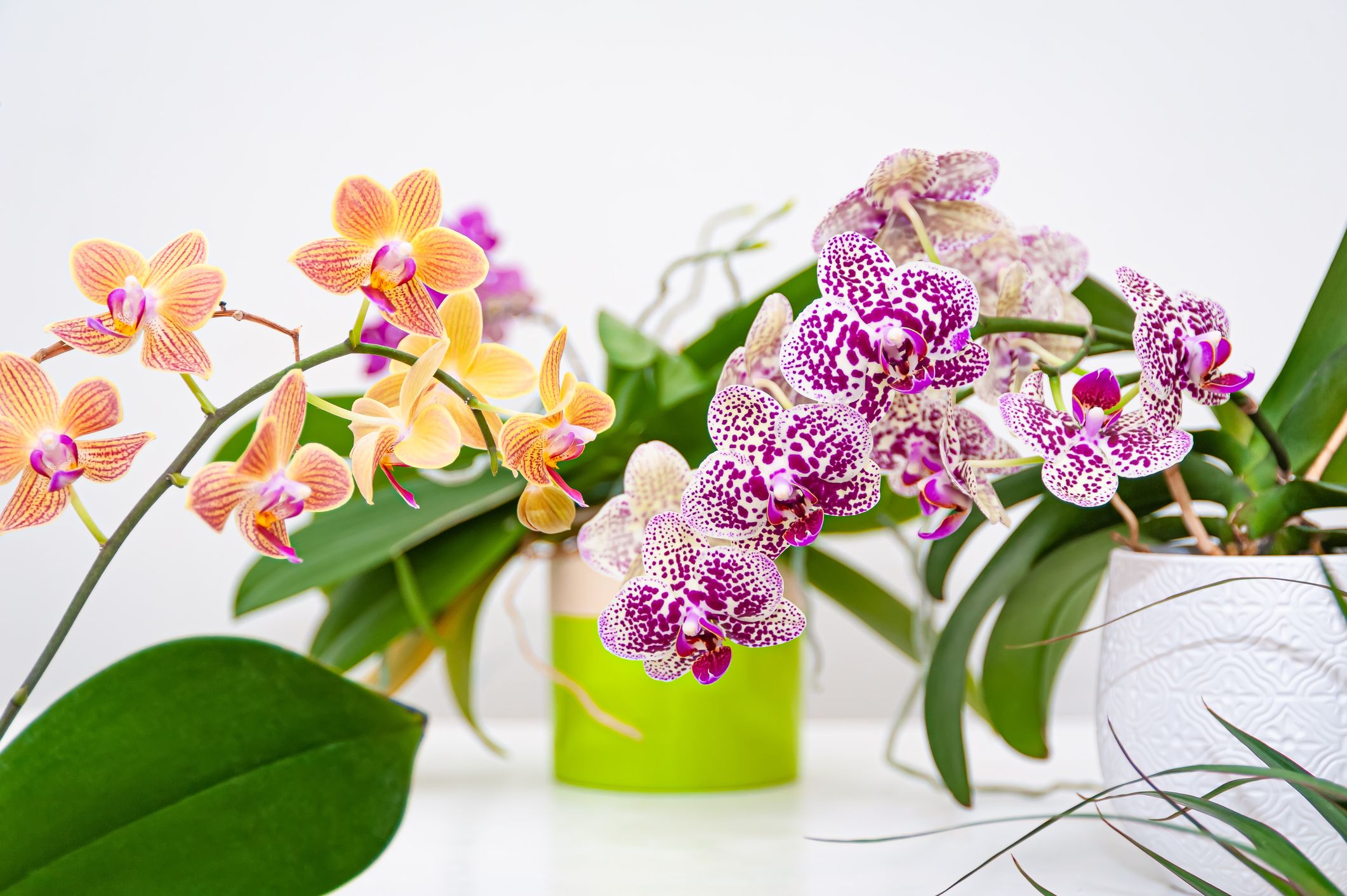
The most striking and prominent feature of orchids, however, is their beauty. They are easily one of the beautiful flowers in world. The sheer variance in their structure and visual appearance only makes them special. Each variety is special, unique, and beautiful in its own right.
Common Orchid Types
| Type | Peak Bloom Period | Key Traits |
| Phalaenopsis (Moth) | Late winter-early spring | Long-lasting, triggered by night temp drop |
| Dendrobium | Late summer-autumn | Bright colors, multiple cycles |
| Vanda | Warmer months | Vibrant, frequent in humidity |
| Cattleya | Late spring-early summer | Fragrant, large blooms |
| Cymbidium | Winter-early spring | Tall spikes, cool nights needed |
Orchid Colors & Symbolism
| Color | Common Varieties & Meaning | Notes |
| Pink | Moth orchids | Affection, grace |
| Purple | Cattleya | Royalty, admiration |
| White | Phalaenopsis | Purity, innocence |
| Yellow | Oncidium | Friendship, joy |
| Red/Orange | Dendrobium | Passion, energy |
Cultivation Timeline
| Stage | Timing/Conditions | Care Tips |
| Active Growth | Spring-summer | Fertilize weekly (weakly), bright light |
| Bloom Initiation | Varies by type (e.g., fall cool) | Reduce water for some, monitor spikes |
| Flowering | 1-3x/year, 2-12 weeks duration | Avoid repotting, maintain humidity |
| Rest/Dormancy | Post-bloom (autumn-winter) | Cut spent spikes, flush salts monthly |
6. Water Lilies
Continuing our list is Water Lilies. Not to be confused with Lotus Lily. These aquatic plants, while having similar characteristics to their relative, are different in their appearance. Water lilies look distinctively different than lotus. The flower has much more sharp features and is less rounded.

Found predominantly in tropical areas, Water Lilies also carry a significant religious and cultural role. They are the national flower of Bangladesh (white lilies), while a blue variant is the national flower of Sri Lanka. Mostly used as an ornamental flower, Waterlilies became invasive in certain parts of the world due to widespread use and cultivation.
Water Lily Types
| Type | Traits | Bloom Style |
| Hardy | Cold-tolerant, daytime floating flowers | Daytime, surface-level |
| Tropical | Warm-water, larger upright blooms | Day/night, 30cm above |
| Dwarf/Miniature | Small ponds, 4-10cm flowers | Compact spread |
| Giant | Large ponds, up to 30cm flowers, 2m leaves | Vigorous coverage |
Colors by Type
| Color | Hardy Examples | Tropical Examples |
| White | Common, pure | Blues/purples possible |
| Pink/Red | Prevalent | Vibrant reds |
| Yellow | Sunny tones | Bright yellows |
| Apricot/Changeable | Hardy shifts | – |
Cultivation Timeline
| Stage | Timing | Notes |
| Planting | Late spring-early summer (>15-21°C) | Rhizomes in aquatic baskets, 15-25cm deep initially |
| First Blooms | Mid-May/June | Fertilize monthly, deadhead spent flowers |
| Peak Flowering | June-September | Full sun, divide every 4-5 years |
| Overwintering | Post-frost (Oct-Nov) | Hardy stay in pond; tropicals indoors >10°C |
7. Gazania
One of the most culturally important flowers is the Gazania. Covered with dark colored leaves lies the yellow nucleus. Usually installed outside the house or living room.

Gazania are found in various different structures and colors. Their unique designs and color definitely make them one of the most beautiful flowers of look.
They can bloom pretty much before summer arrives or even in fall. Gazania is often used for experimentation as well. Due to this, Gazania often has unique and exquisite-looking flowers, often combining more than one plant character.
Gazania Types
| Type | Description | Height/Spread |
| Clumping | Dense rosettes, abundant single/multicolor blooms | 8-10 in / 6-10 in |
| Trailing | Spreading habit for ground cover | 6-12 in / 12-24 in |
Bloom Season by Region
| Region/Climate | Peak Bloom Period |
| Temperate (USDA 8-10) | Late spring-early summer; intermittent rest of year |
| India (warm) | Late Nov-April/May |
| Hot/Dry Areas | April-Oct (late spring-fall) |
Cultivation Timeline
| Stage | Timing | Notes |
| Sowing/Planting | Early spring (post-frost, 21-26°C soil) | Direct sow or transplant seedlings |
| First Blooms | 70-85 days | Deadhead for continuous flowers |
| Peak Flowering | Summer-fall | Full sun 6-8 hrs, low water/fertilizer |
| Overwintering | Pre-frost (zones <8) | Bring indoors or mulch heavily |
8. Tulips
Tulips are another popular and well-regarded flower. Often used in wedding ceremonies and other similar functions, tulips are quite beautiful and deserve a spot on this list of most beautiful flowers. These praiseworthy flowers are found throughout the world, making them easily accessible.
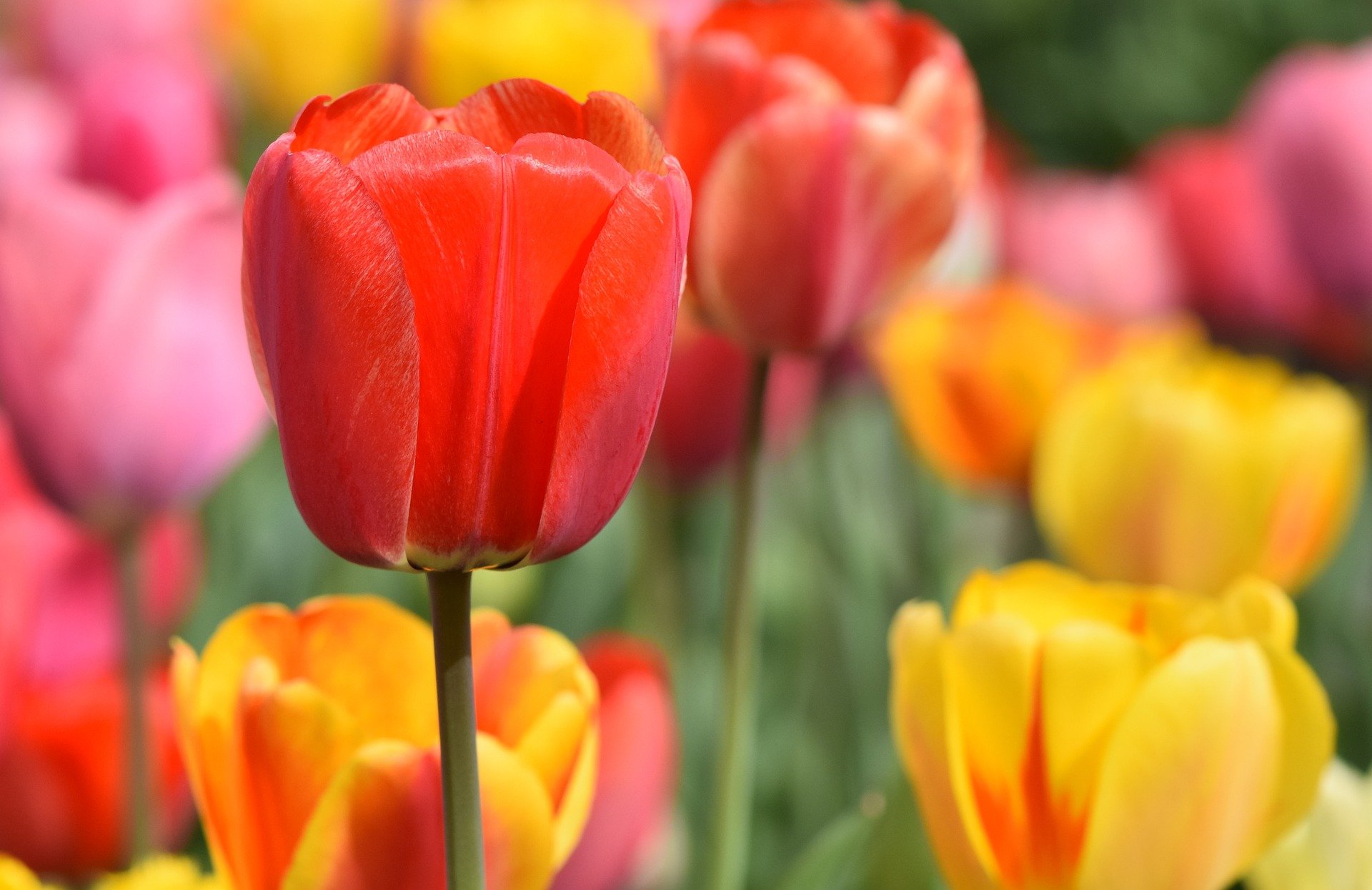
With more than 3000 verities and 100 species, Tulips are in a league of their own. Naturally, tulips can be in various bright and vibrant colors except for blue. Tulips, however, have a life cycle that is relatively short. Not blooming for more than 4-5 days, it needs to pluck or be used quickly. They usually bloom during the onset of spring.
Tulip Types by Bloom Time
| Type | Bloom Period | Height/Stems |
| Early | March-April | 6-10 in |
| Mid-season | April | 18-24 in |
| Late-season | May-June | 20-30 in |
Common Colors & Varieties
| Color | Examples & Traits |
| Red | Classic, single/double forms |
| Yellow | Altaica (lemon, star-shaped) |
| Pink | Bell Song (fringed) |
| Purple | Purple Flag, Arabian Mystery (violet edges) |
| White | Swan Wings (fringed), Blue Aimable hybrid |
Cultivation Timeline
| Stage | Timing | Notes |
| Planting Bulbs | Sept-Nov (pre-frost) | 3x bulb depth, pointy end up |
| Rooting/Chilling | Nov-Feb (12-16 weeks cold) | In ground or fridge for warm zones |
| Shoots/Blooms | March-May | Fertilize lightly, deadhead |
| Post-Bloom/Digging | June (after fade) | Lift bulbs in hot climates, replant |
9. Plumeria
Flowers are often associated with a fragrance or scent that makes them unique. One such flower is Plumeria or more popularly known as frangipani. This sweet-smelling flower is native to Central America. If you happen to wander near them during nighttime, you will be greeted by an amazing fragrance.

Plumeria has been grown throughout the world now and thus has become quite popular. Due to its design and fragrance, it has become a popular choice for people to grow in their gardens. It is one of the best smelling and most beautiful flowers that you might find in your garden as well.
Plumeria Types
| Type | Description | Key Features |
| Dwarf/Compact | Smaller stature for pots | Continuous blooms |
| Standard/Tree | Tall, spreading growth | Profuse summer flowers |
| Evergreen | Retain leaves in mild winters | Year-round in tropics |
Bloom Season by Region
| Region | Peak Bloom Period |
| Tropical (Hawaii, Florida) | March-October (year-round possible) |
| Subtropical | Late spring-fall (May-Nov) |
| Temperate (protected) | Summer only, dormant winter |
Cultivation Timeline
| Stage | Timing | Notes |
| Planting/Cuttings | Spring-early summer (>21°C) | Well-draining mix, root in 4-8 weeks |
| Leafing/Budding | Spring (post-dormancy) | Full sun 6+ hrs, minimal water |
| Peak Flowering | Summer-fall | Fertilize monthly, prune post-bloom |
| Dormancy | Winter (cool/dry) | Store bare stems above freezing |
10. Rose
We are saving the most obvious and perhaps the all-time favorite and popular flower for the last. Rose is one of the most beautiful, if not the most beautiful, flower in the world. Humans have naturally had an affinity towards roses, growing their significance more and more.
Its multiple and intricate petals, its unique scent, variance, and significance make it one of the best flowers. It is used everywhere and in all its forms. From potpourri to fresh petal showers, roses have been historically significant to us.
It is mostly used in its red variant; however, different colors often portray different thoughts and ideas. Other than red, it is available in red, yellow, pink, white, and even blue (through genetic modification). Roses can be further bred to have a particular color combination, making them versatile.
Rose Types
| Type | Bloom Habit | Key Traits |
| Hybrid Tea | Repeat, large single stems | Showy exhibition blooms |
| Floribunda | Repeat, clustered flowers | Abundant, disease-resistant |
| Grandiflora | Repeat, tall stems/clusters | Hybrid tea x floribunda |
| Climber | Once/summer repeat | Long canes for supports |
Colors & Varieties
| Color | Examples | Symbolism/Notes |
| Red | Mr. Lincoln | Passion, love |
| Pink | Secret™ | Gratitude, appreciation |
| Yellow | Midas Touch™ | Friendship, joy |
| White | Peace | Purity, innocence |
| Multicolor | Rio Samba™ (red/yellow) | Celebration |
Cultivation Timeline
| Stage | Timing | Notes |
| Planting | Sept-Nov or Feb-Mar | Bare-root or container, space 45-60cm |
| Pruning | Late winter (Jan-Feb) | Remove deadwood, shape open |
| First/Peak Blooms | May-June; repeat to Oct | Fertilize monthly, deadhead |
| Dormancy/Winter | Nov-Dec | Mulch roots, protect in cold zones |
Conclusion
We all use Flowers somewhere or the other. Whether it’s for weddings, funerals, birthdays, proposals,, these 10 flowers are unique and some of the most popular ones.
However, these cannot be classified as the only beautiful flowers. There are many that can replace them. However, this is our list of the top 10 most beautiful flowers.
Which ones are your favorite?
Let us know.