
Have you ever been driving along when suddenly your car feels like it’s lost its mind? Maybe there’s a strange grinding noise coming from somewhere underneath, or your gears seem to be slipping at the worst possible moments. Perhaps you’ve noticed a weird burning smell that wasn’t there before?
Your automatic transmission is one of the most complex and hardworking parts of your vehicle. It’s constantly shifting gears, transferring power, and keeping everything running smoothly—often without you even noticing. But when things start to go wrong, ignoring the warning signs can lead to expensive repairs or even complete transmission failure. The good news? Many transmission problems give you plenty of warning before they become serious.
In this guide, we’ll walk you through everything you need to know about spotting automatic transmission issues early. You’ll learn what the warning signs look like, what causes common problems, and when it’s time to call in a professional mechanic. Whether you’re hearing unusual noises, experiencing rough gear changes, or simply want to stay ahead of potential troubles, this article has you covered. Let’s get stuck into it.
Understanding Your Automatic Transmission: The Basics
How Does an Automatic Transmission Work?
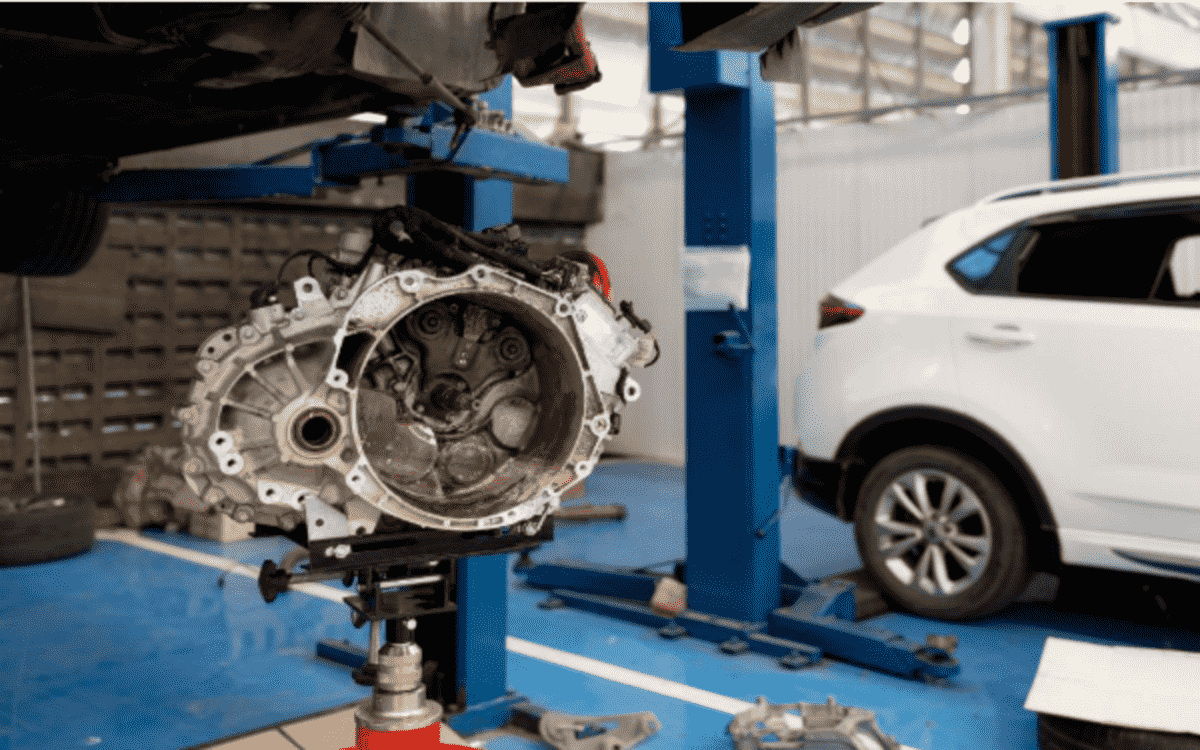
Your automatic transmission is essentially the middleman between your engine and your wheels. It takes the power generated by your engine and converts it into the rotational force needed to move your car forward (or backwards). Unlike manual transmissions, automatics handle all the gear-shifting work for you.
The system uses hydraulic fluid, a torque converter, and a series of planetary gear sets to make seamless transitions between gears. As you accelerate, the transmission automatically selects the appropriate gear ratio to match your speed and driving conditions. It’s a beautifully complex system that makes driving so much easier.
Key Components That Keep Everything Moving
Several critical parts work together inside your transmission. The torque converter replaces the clutch found in manual vehicles, allowing your engine to keep running while the car is stationary. Planetary gear sets provide different gear ratios, while clutch packs and bands engage and disengage these gears.
Transmission fluid is the lifeblood of the entire system. It lubricates moving parts, cools the transmission, and transmits hydraulic pressure to activate gear changes. Without clean, adequate fluid, your transmission simply cannot function properly.
Warning Signs Your Automatic Transmission Is Failing
Unusual Noises: What That Grinding or Whining Means
Strange sounds are often the first clue that something’s not right with your transmission. A grinding noise when shifting gears typically indicates worn gear teeth or damaged bearings. Whining or humming sounds, particularly when accelerating, might point to low fluid levels or a failing torque converter.
Clunking noises when you shift from park to drive or reverse are another red flag. These sounds suggest worn mounts or internal component damage. Don’t ignore these audio warnings—they’re your car’s way of asking for help.
Slipping Gears: Why Your Car Loses Power Unexpectedly
Gear slipping feels exactly like it sounds. You’re driving along when suddenly the engine revs higher than normal, but your car doesn’t accelerate accordingly. It’s as though the transmission momentarily loses its grip on the gear.
This problem often results from worn clutch plates, low fluid levels, or damaged bands inside the transmission. It’s not just annoying—it’s also dangerous, especially when you need quick acceleration to merge onto a motorway.
Delayed or Rough Gear Changes
Smooth, barely noticeable gear changes are the hallmark of a healthy automatic transmission. When you start experiencing hesitation before the car shifts, or jarring, abrupt transitions between gears, there’s likely an underlying issue.
Delayed engagement—where there’s a noticeable pause after selecting drive or reverse—often indicates low fluid pressure or worn clutch packs. Rough shifting might point to dirty transmission fluid or electronic sensor problems.
Transmission Fluid Leaks: Spotting the Red Flags
Fresh transmission fluid is typically bright red and has a slightly sweet smell. If you notice red or dark red puddles under your car, you’ve got a leak that needs immediate attention. Check your driveway or usual parking spot regularly.
Leaks commonly occur at the pan gasket, drain plug, or transmission cooler lines. Even small leaks can quickly lead to low fluid levels, causing serious damage to internal components.
Burning Smell: When Something’s Not Right Under the Bonnet
A burning smell from your transmission area is never good news. It usually means the fluid is overheating, which happens when levels are too low or the fluid has degraded beyond its useful life. Overheated transmission fluid loses its lubricating properties and can cause rapid wear.
If you catch a whiff of something burning, pull over safely and check your fluid level and condition as soon as possible.
Read Also: Can I Charge My EV Anywhere?
What Does It Feel Like When Your Transmission Is Going Out?
When a transmission is on its last legs, you’ll notice several telltale sensations. The car may feel sluggish or unresponsive, as though it’s struggling to find the right gear. You might experience vibrations or shuddering during gear changes.
In severe cases, the transmission may refuse to engage certain gears altogether, or you might find yourself stuck in one gear—a condition called “limp mode” that protects the transmission from further damage. Any combination of these symptoms warrants immediate professional inspection.
Common Automatic Transmission Problems and Their Causes
Torque Converter Issues
A failing torque converter can cause shuddering at low speeds, overheating, and strange noises. Since it’s responsible for transferring engine power to the transmission, problems here affect your entire drivetrain.
Solenoid Malfunctions
Solenoids control fluid flow within the transmission. When they fail, you may experience erratic shifting, gear slippage, or the transmission getting stuck in one gear. Electrical issues or contaminated fluid often cause solenoid problems.
Worn Clutch Plates and Bands
These components engage and disengage gears. Over time, they wear down, leading to slipping gears and rough shifts. High-mileage vehicles are particularly susceptible to this type of wear.
Low or Contaminated Transmission Fluid
This is perhaps the most common cause of transmission problems—and often the most preventable. Dirty, burnt, or insufficient fluid compromises every aspect of transmission function.
How Do I Know If My Transmission Needs Repair or Replacement?
Generally, if problems are caught early, repairs are often possible. Issues like solenoid replacement, fluid changes, or seal repairs are relatively straightforward. However, if you’re experiencing multiple symptoms, hearing grinding noises, or seeing metal shavings in your fluid, a complete rebuild or replacement may be necessary.
A professional diagnostic scan can reveal trouble codes stored in your vehicle’s computer, helping identify specific problems. When in doubt, get a mechanic’s opinion before making any decisions.
Can You Drive with a Faulty Automatic Transmission?
Technically, yes—but it’s not advisable. Continuing to drive with transmission problems typically worsens the damage and increases repair costs significantly. If your transmission slips into limp mode, drive directly to a mechanic.
For minor issues like slightly delayed shifts, you might safely drive short distances. However, if you’re experiencing gear slippage, grinding noises, or burning smells, it’s best to have the vehicle towed rather than risk a complete breakdown.
Automatic Transmission Troubleshooting: A Step-by-Step Guide
Checking Transmission Fluid Level and Condition
With your engine warm and running, locate the transmission dipstick (check your owner’s manual). Pull it out, wipe it clean, reinsert fully, then check the level. The fluid should be between the marked indicators and appear bright red. Dark, burnt-smelling fluid needs changing.
Identifying Dashboard Warning Lights
Modern vehicles display a transmission warning light or check engine light when problems are detected. Don’t ignore these warnings—they’re your early alert system.
When to Seek Professional Diagnosis
If basic checks don’t reveal the problem, or if you’re experiencing multiple symptoms, professional diagnosis is essential. Mechanics have specialised tools that can pinpoint issues accurately.
How Much Does It Cost to Fix Automatic Transmission Problems?
Costs vary widely depending on the problem. A fluid change might cost between $150-$300, while solenoid replacement could run $300-$850. Complete transmission rebuilds typically range from $2,500-$4,500, and full replacements can exceed $5,000.
Catching problems early almost always saves money in the long run.
Preventing Transmission Issues: Maintenance Tips That Save Money
Regular maintenance is your best defence against transmission troubles. Change your transmission fluid according to manufacturer recommendations—typically every 50,000-100,000 kilometres. Avoid aggressive driving habits that stress the transmission and always allow your engine to warm up before driving hard.
When to Call a Professional Mechanic
Call a mechanic immediately if you notice multiple warning signs, experience complete gear failure, or see warning lights on your dashboard. Strange noises combined with performance issues are particularly concerning.
Staying Ahead of Transmission Troubles
Your automatic transmission works incredibly hard every time you drive, so giving it the right care and attention is essential. By learning to recognise early warning signs—such as unusual noises, slipping gears, fluid leaks, or even a burning smell—you can address minor issues before they turn into costly repairs. Many drivers only realise the importance of timely maintenance after problems escalate, which is why booking a reliable automatic transmission service Melbourne can make all the difference.
Routine maintenance plays a crucial role in keeping your transmission running smoothly. Regular fluid checks, timely replacements, and professional inspections help prevent wear and tear. Scheduling an automatic transmission service Melbourne at recommended intervals not only improves performance but also extends the lifespan of your vehicle.
When issues do arise, acting quickly is key. Delaying repairs can lead to more severe damage and higher costs. A trusted automatic transmission service Melbourne can diagnose problems early and provide the right solutions before your vehicle breaks down unexpectedly.
It’s also important to pay attention to how your car feels while driving. Jerky movements, delayed gear shifts, or strange vibrations shouldn’t be ignored. These are often early signs that it’s time to consult experts in automatic transmission service Melbourne who can identify and fix the root cause efficiently.
Stay alert, listen to what your car is telling you, and never overlook small changes in performance. Being proactive with a professional automatic transmission service Melbourne not only protects your vehicle but also saves you from unnecessary stress and expenses down the road.