
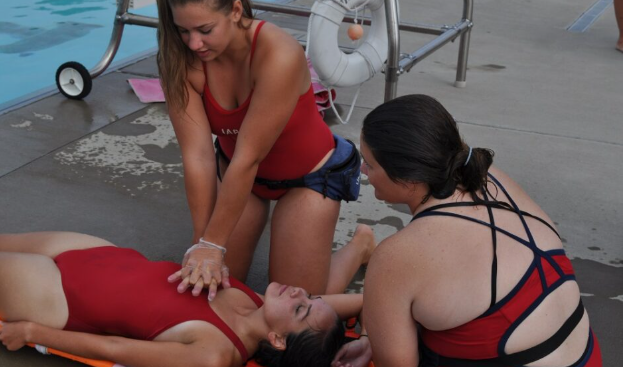
A lifeguard class is more than just a training program—it is a gateway to developing the skills, confidence, and knowledge needed to protect lives in aquatic environments. Whether at a swimming pool, water park, lake, or beachfront, lifeguards serve as the first line of defense against water-related emergencies. Through a professional lifeguard class, individuals learn how to prevent accidents, respond to emergencies, and provide critical care when every second matters.
Why is a lifeguard class important? Drowning remains a serious public safety concern, and trained lifeguards play a crucial role in reducing risks. A quality lifeguard class prepares participants to recognize hazards, perform rescues, administer first aid, and respond effectively during emergencies.
What Is a Lifeguard Class?
A lifeguard class is a structured training course designed to prepare individuals for lifeguard certification and employment. The class combines classroom instruction, hands-on practice, and practical assessments to ensure participants can safely supervise aquatic environments.
Students enrolled in a lifeguard class learn:
- Water rescue techniques
- CPR and AED operation
- First aid procedures
- Emergency action plans
- Surveillance and prevention methods
- Communication and teamwork skills
- Legal and ethical responsibilities
These skills help lifeguards respond confidently and professionally to a variety of situations.
Why Take a Lifeguard Class?
Many people ask, “Why should I enroll in a lifeguard class?” The answer extends beyond employment opportunities.
Save Lives
The primary purpose of a lifeguard class is to equip participants with lifesaving skills that can make a difference during emergencies.
Build Confidence
Through repeated practice and scenario-based training, students gain confidence in their ability to respond under pressure.
Develop Leadership Skills
Lifeguards must make quick decisions, communicate effectively, and lead during emergencies. A lifeguard class helps develop these valuable qualities.
Expand Career Opportunities
Certified lifeguards are needed at pools, beaches, water parks, camps, resorts, and recreational facilities throughout the year.
Who Can Enroll in a Lifeguard Class?
Most organizations require participants to meet basic prerequisites before enrollment.
Common requirements include:
- Minimum age requirement (often 15 years old)
- Strong swimming ability
- Ability to tread water
- Completion of a swim assessment
- Physical fitness suitable for rescue activities
These requirements ensure students can safely complete the training and perform lifeguard duties effectively.
What Is Covered in a Lifeguard Class?
Water Rescue Techniques
Rescue training is one of the most important parts of any lifeguard class.
Participants learn how to:
- Rescue active victims
- Assist passive victims
- Perform submerged victim recoveries
- Use rescue equipment
- Conduct multiple-victim rescues
Practical training helps students develop speed, efficiency, and confidence in rescue situations.
CPR and AED Training
Cardiac emergencies can happen anywhere, including aquatic facilities.
A lifeguard class teaches:
- Adult CPR
- Child CPR
- Infant CPR
- AED operation
- Emergency breathing support
These skills are essential for responding to life-threatening situations before emergency medical services arrive.
First Aid Skills
Students learn how to handle a wide range of injuries and illnesses, including:
- Cuts and abrasions
- Fractures
- Heat-related illnesses
- Allergic reactions
- Spinal injuries
First aid training allows lifeguards to provide immediate care while awaiting professional medical assistance.
Surveillance and Prevention
Effective lifeguards prevent emergencies before they happen.
A professional lifeguard class teaches:
- Proper scanning techniques
- Risk assessment
- Patron monitoring
- Hazard recognition
- Safety rule enforcement
Prevention remains one of the most important responsibilities of a lifeguard.
Emergency Action Plans
Every aquatic facility must have procedures for handling emergencies.
Students learn how to:
- Activate emergency response systems
- Coordinate rescue efforts
- Communicate with emergency responders
- Manage crowd control
- Document incidents
These procedures help ensure organized and effective responses during emergencies.
The Role of the American Lifeguard Association
The American Lifeguard Association (ALA) is one of the leading organizations providing lifeguard training and certification programs. The association promotes high standards of aquatic safety and professional lifeguard education.
ALA programs typically include:
- Lifeguard certification
- Lifeguard recertification
- CPR certification
- First aid training
- AED instruction
- Waterfront lifeguard programs
Many employers recognize ALA certifications because of their focus on practical skills and emergency preparedness.
How Long Does a Lifeguard Class Take?
The duration of a lifeguard class varies depending on the provider and certification level.
Most programs include:
- Classroom instruction
- Online learning modules
- Practical pool sessions
- Skills assessments
- Written examinations
Courses are often completed over several days or weekends, making them accessible to students and working professionals.
Lifeguard Certification Process
Step 1: Register for a Lifeguard Class
Choose a recognized training provider and enroll in an approved course.
Step 2: Complete Prerequisite Testing
Demonstrate swimming proficiency and physical readiness.
Step 3: Participate in Training
Attend all classroom and practical sessions.
Step 4: Pass Examinations
Successfully complete written and practical evaluations.
Step 5: Receive Certification
After meeting all requirements, participants earn their lifeguard certification and become eligible for employment.
Why Recertification Matters
Skills can decline without regular practice. For this reason, lifeguards are encouraged to participate in ongoing training and recertification programs.
Benefits of recertification include:
- Updated rescue techniques
- Refreshed CPR skills
- Improved confidence
- Enhanced emergency preparedness
- Compliance with employer requirements
Continuous training helps lifeguards maintain professional standards and readiness.
Career Opportunities After Completing a Lifeguard Class
A certified lifeguard may work in various environments, including:
- Community swimming pools
- Water parks
- Beaches
- Resorts
- Summer camps
- Universities
- Recreation centers
Many individuals use lifeguarding as a foundation for careers in public safety, emergency medical services, firefighting, healthcare, and recreation management.
Conclusion
A lifeguard class provides the knowledge, practical skills, and confidence needed to protect lives in aquatic environments. From water rescues and CPR to surveillance and emergency response, participants gain valuable abilities that extend far beyond the pool deck. Whether you are seeking employment, developing lifesaving skills, or pursuing a future career in public safety, enrolling in a professional lifeguard class is a worthwhile investment that can make a lasting impact on both your life and the lives of others.